
Sixth Biennial
Transnational Opera
Studies Conference
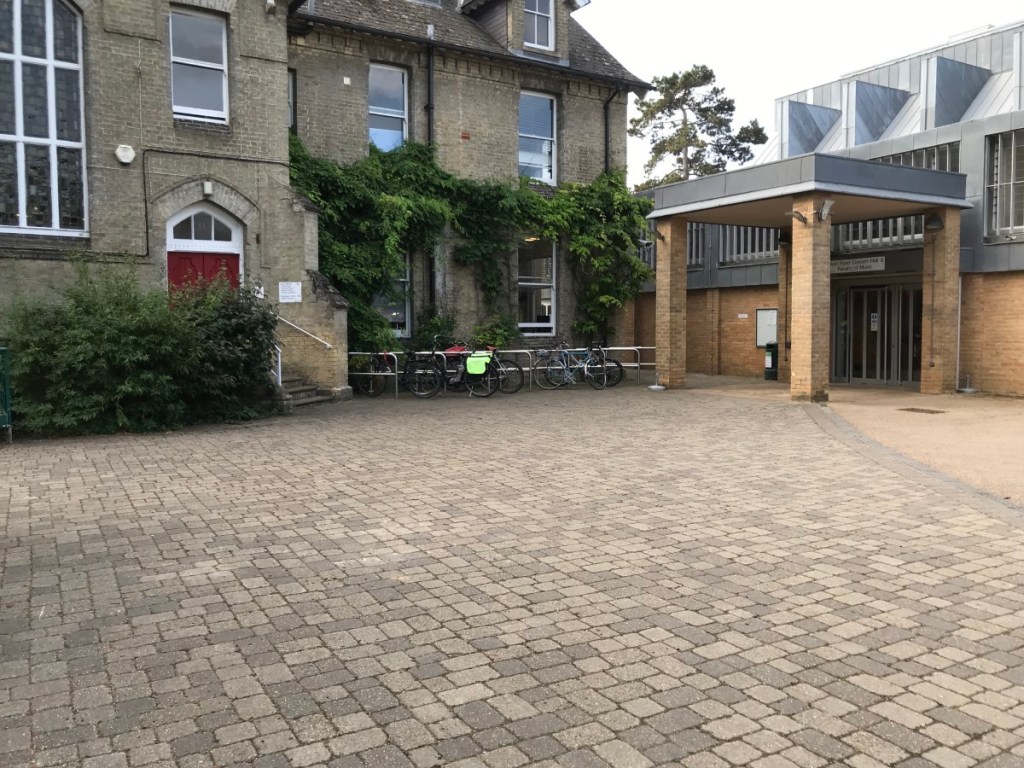
TOSC@Cambridge
Faculty of Music & Jesus College
University of Cambridge
7th-9th July, 2025
TOSC@Cambridge is pleased to acknowledge the generous financial support of the Royal Musical Association and the Music & Letters Trust
Welcome to TOSC@Cambridge!

Founded in 2015, TOSC@ is the leading international conference in opera studies, with a focus on all forms of opera scholarship, broadly conceived. This year’s conference follows previous events in Bologna, Bern, Paris, Bayreuth and Lisbon.
Keynote Lectures
We are delighted to announce two keynote speakers for this year’s conference.
Please see below for the titles and abstracts of their talks!
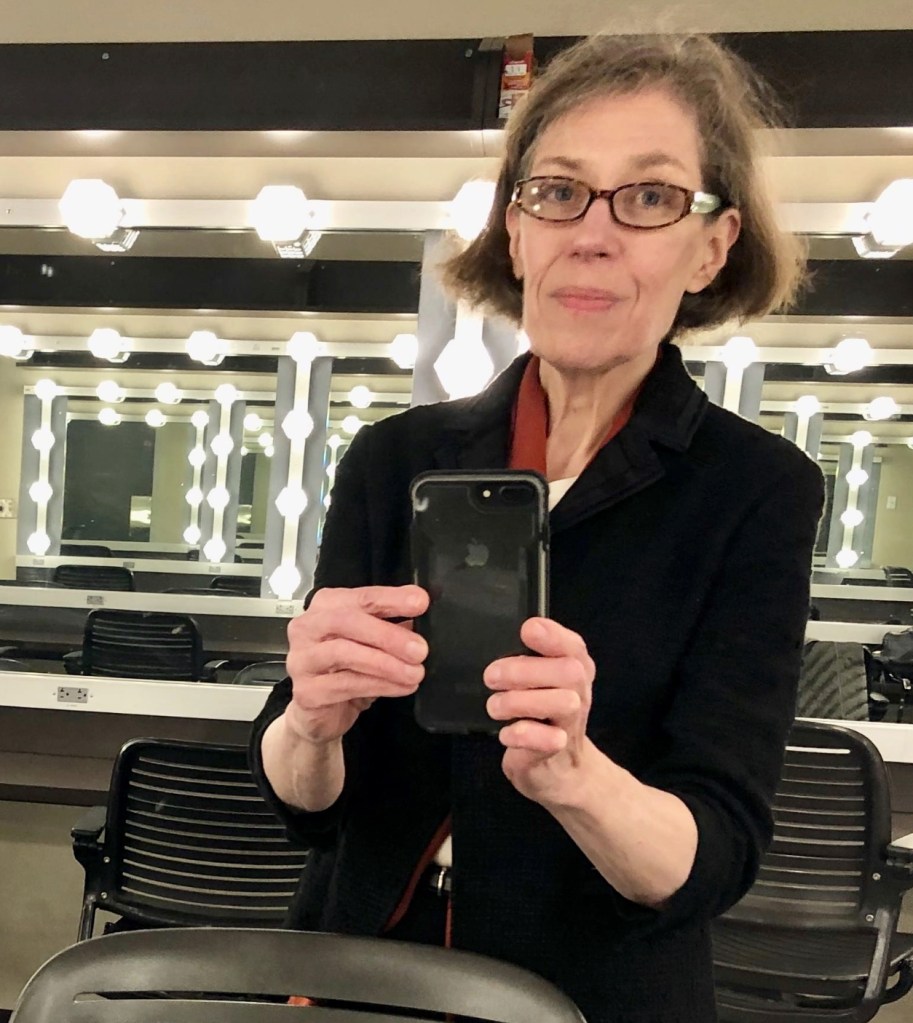

Dr Francesca Vella
(Northumbria University)
Recipient of the TOSC@Lisbon Prize
“Towards a History of Opera Prompting”
“Bourgeois Vacation Spot”
Professor Carolyn Abbate
“Bourgeois vacation spot” is a flubbed translation in the 1994 English version of Theodor W. Adorno’s essay Bürgerliche Oper (1955)—the original is “bürgerliche Erholungsstätte.”
“Erholungsstätte” has meanings that go beyond “vacation spot.” A place to rest, to regain one’s equilibrium, to recover, to renew the spirit. A place to take the waters. Certainly also, an escape. As Adorno put it, nineteenth-century opera enabled the bourgeoisie’s recuperative journey into rest and renewal because opera “allowed itself so little involvement in the social conflicts of the nineteenth century”—which (cue the classic Marxist magic) meant that opera crassly traces historical developments because it remained so unconscious and unknowing.
We feel that we are meant to deplore this, both the place that opera is said to take us and allowing ourselves to be taken there. But we might also have a quarrel with the claim that opera and its manifestations did not, and do not, “participate in social conflicts,” which now rings false to our ears. Are contemporary opera studies not fully invested in a theory that opera, in reflecting and portraying social ills and human evils for an audience, moves (or should move) those who see and hear it to indignation, to a hunger for change, to activism? Music philosopher Fumi Okiji queries such beliefs in a recent book about epiphanic moments in musical experiences: how do we know that music does what we say it does? To put it closer to home: does opera have such efficacy?
I am going to explore this by looking at fantasies about efficacy that are built into opera’s genetic code, aligning them with ideas about impact, exposure, and meaning in the rhetorical arabesques of contemporary opera studies.”
“Towards a History of
Opera Prompting“
Dr Francesca Vella
“Unlike theatre prompters, whose roles in the evolution of stage practices and the origins of theatre history have been widely debated in recent years, opera prompters remain largely overlooked. In many ways—even more so than their theatrical counterparts—they exemplify the challenges identified by Christin Essin in her history of backstage work in Broadway theatres, where she highlights the ‘incomplete and intermittent archives of technical theater labor’. At first glance, numerous historical materials seem to document opera prompting as a profession: prompter scores, meta-theatrical works, drawings, popular songs and critical writings all offer valuable insights into the practicalities and traditions of this specialised craft. Yet much of this evidence proves slippery: either too mundane to invite sustained interpretation, or presented in the form of anecdote or caricature. What is more, the everyday work of prompters often escaped critical notice, overshadowed by exceptional, disruptive moments: moments in which the prompter’s usually hidden presence suddenly broke through.
Drawing on various nineteenth- and early twentieth-century sources, I want to explore some of the challenges involved in writing a history of modern opera prompting. Prompters have long occupied a liminal space in opera. The prompt box—a fixture in most opera houses until relatively recently—positioned them both within and outside the staged world, in a half-subterranean space that composers also used for uncanny sound effects and dramatic entrances and exits. Furthermore, the prompter’s role has constantly evolved in response to shifting configurations of operatic labour—particularly the rise of the modern orchestral conductor and the opera director. Rather than focusing solely on the changing practices and status of the profession, however, in this talk I also consider the prompt box itself as an object at once material and imagined: a workspace, a technological hub, a stage prop, a symbol. Ultimately, and despite long-standing narratives that describe their decline, I suggest that prompters still retain, even in the twenty-first century, a distinct hauntological presence—an idea reinforced by a number of contemporary productions that, rather than concealing the supposedly outdated prompt box, foreground it as a ghostly, mundane or hyper-theatrical element.”

The State of Opera Today:
Insights from the Industry
The conference will also include a roundtable on the state of opera today, chaired by Flora Willson, in conversation with Carolyn Abbate, Hannah Griffiths (Opera Europa), Emily Gottlieb (Longborough Festival Opera) and Robin Norton-Hale (English Touring Opera).
Pre-Conference Concert:
Sunday 6th July, Jesus College Chapel
The Combined Choirs of Jesus College will be performing a programme featuring Bernstein’s Chichester Psalms alongside other works drawn from the pslater.
To purchase a ticket, please visit: www.adcticketing.com
Colectivo Ópera Nacional Concert
Monday 7th July, Music Faculty Recital Room
17:30-18:30pm
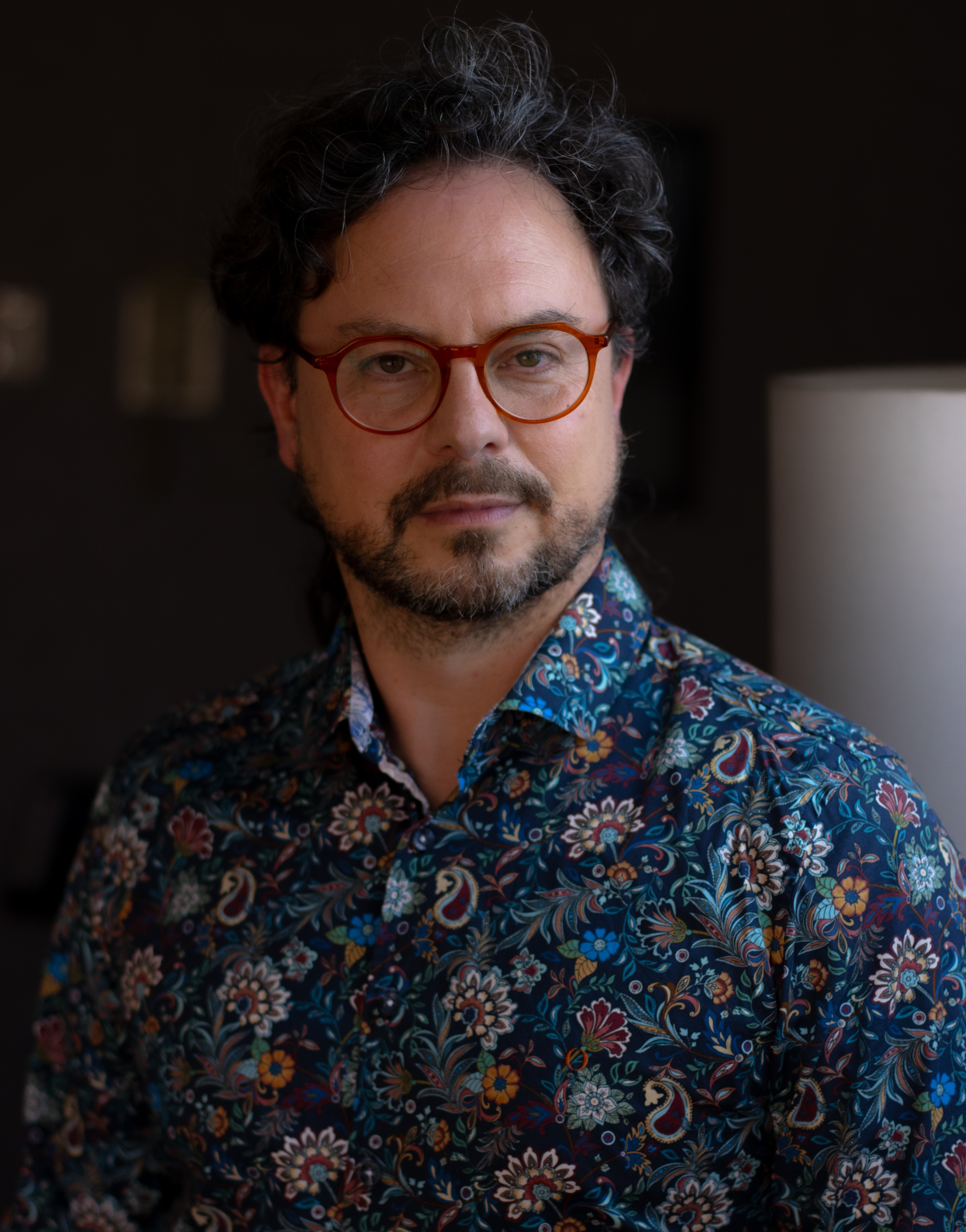
Gonzalo Cuadra
(Universidad Alberto Hurtado)

Pilar Peña
Pianist

Rony Ancavil
Tenor

Soledad Mayorga
Soprano
We are delighted to be featuring a concert by the Colectivo Ópera Nacional Chile.
Founded in 2015, their mission has been to rescue, edit, disseminate, and reintroduce historic Chilean opera and vocal repertoire to repertoire.
The Collective is one of the most important opera companies in Chile, bringing together outstanding Chilean singers and musicians.
To learn more about their concert repertoire and lecture-recital, click here!
Registration
TOSC@Cambridge will offer a range of registration fees to
welcome delegates at all stages of their academic careers.
RMA members, students, and lower-income delegates (below £20,000/year) are eligible for discounts.
Conference Fees
Full Price (with no RMA Affiliation)
Full Price (with RMA Affiliation)
Students & Lower-Waged (with no RMA Affiliation)
Students & Lower-Waged (with RMA Affiliation)
How do I register?
- To register your attendance, please visit the Cambridge University Online Store (Click Here!)
- Next, select “TOSCA” which is listed as a conference option within the Music Faculty
- Read the different payment tiers for registration, and select the appropriate one
- You will then be taken to the payment portal (here, you can pay by debit or credit card)
- Once you have successfully registered, you will receive a receipt of payment. If this email does not come through, your registration has not been validated
How many days are covered by the registration fee?
Our registration fee covers all three days of the conference. We regret that because of the
conference’s format, there are no reduced fees for single-day attendance.



















 TOSC@Cambridge 2025